
Signs Your Child May Be Unhappy at School
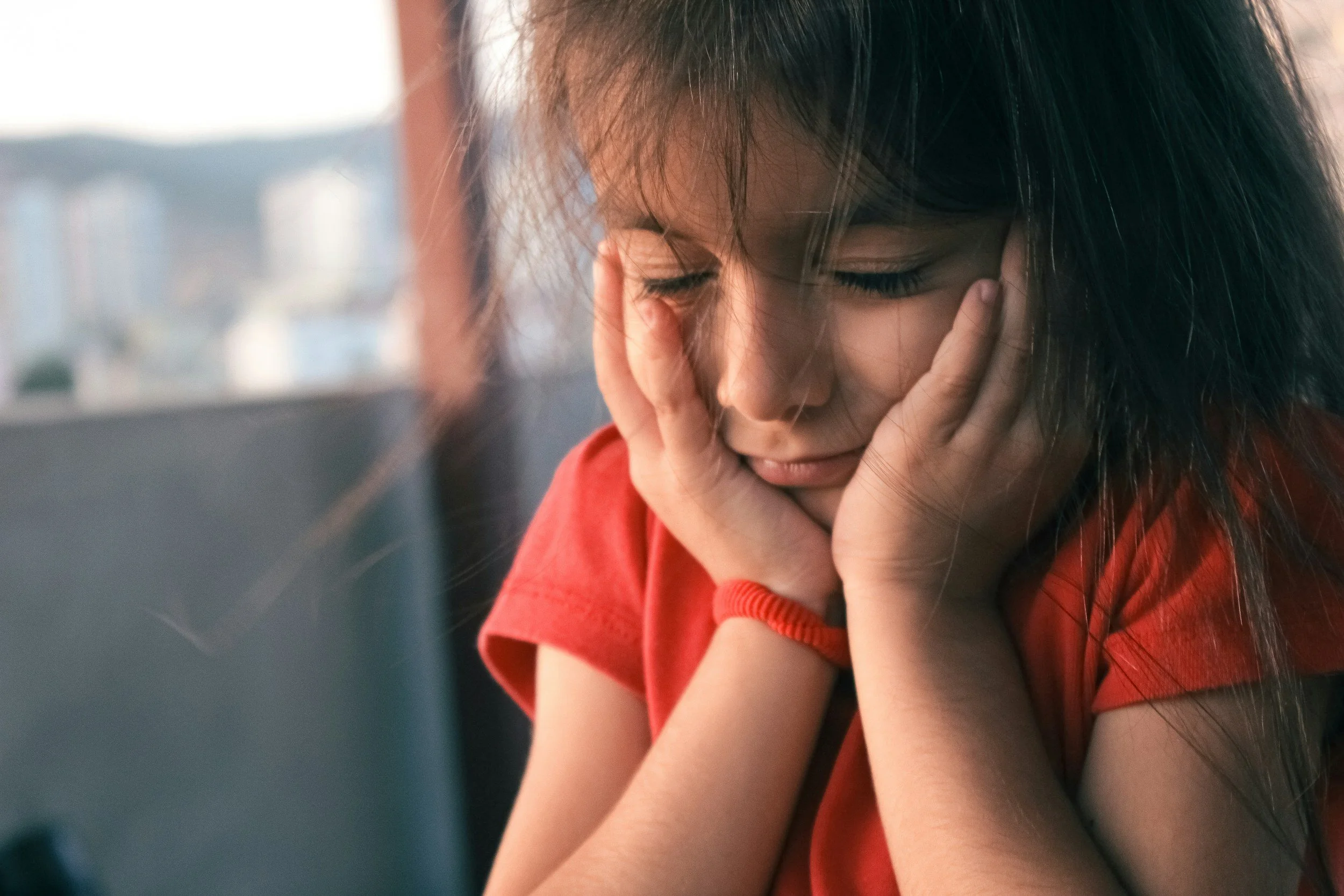
Every parent wants their child to wake up excited for the day ahead. School should be a place where children feel safe, supported, and inspired to learn. But for many children, the reality is very different.
Unhappiness at school often goes unnoticed until it begins to affect a child’s confidence, academic performance, and even mental health. The challenge is that children don’t always express what they’re feeling directly—so it’s up to parents to recognise the signs.
Understanding the Hidden Struggles
Children may struggle at school for a variety of reasons:
Bullying or social exclusion
Feeling academically overwhelmed
Lack of support from teachers
Misalignment with school values
Anxiety or sensory challenges
These struggles don’t always show up in obvious ways, which is why awareness is key.
Key Signs Your Child May Be Unhappy
1. Emotional Changes at Home
If your child becomes more irritable, withdrawn, or unusually emotional, it may be a sign that something is troubling them during the school day.
You may notice:
Frequent mood swings
Increased sensitivity
Sudden anger or frustration
2. School Avoidance
A child who once enjoyed school but now resists going may be experiencing deeper issues.
Watch out for:
Regular complaints of headaches or stomach aches
Asking to stay home frequently
Anxiety on Sunday evenings or Monday mornings
3. Loss of Interest in Learning
Children who are unhappy often disengage from their studies.
Signs include:
Not wanting to complete homework
Lack of enthusiasm for subjects they once enjoyed
Declining academic performance
4. Low Confidence and Negative Self-Talk
When a child feels unsupported or struggles to keep up, their self-esteem can suffer.
Phrases like:
“I’m not smart enough”
“I hate school”
“Everyone else is better than me”
…should always be taken seriously.
5. Changes in Social Behaviour
School is a major social environment. If your child is struggling socially, it can deeply impact their happiness.
You might notice:
Withdrawal from friends
Reluctance to talk about their day
Avoidance of social activities
The Long-Term Impact
If left unaddressed, school unhappiness can lead to:
Chronic anxiety
Loss of confidence
Poor academic outcomes
Negative attitudes toward education
That’s why early intervention is so important.
What Parents Can Do
Start by opening a calm, non-judgmental conversation. Ask open-ended questions like:
“What was the best and worst part of your day?”
“Is there anything that worries you about school?”
Listen carefully—often what children say between the lines is just as important.
Exploring Alternative Solutions
For some children, the traditional school system simply isn’t the right fit.
Online schooling offers:
A safer, more controlled environment
Smaller class sizes
Personalised attention
Reduced social pressure
A Brighter Path Forward
Many parents who switch to online education notice an immediate change—their child becomes more relaxed, more confident, and more engaged in learning again.
Sometimes, the solution isn’t to push harder—it’s to change the environment.
